Unveil the Extraordinary World of Tulips with These Seven Facts
Posted on 19/06/2025
Unveil the Extraordinary World of Tulips with These Seven Facts
Tulips are more than just vibrant blooms sprouting in spring gardens. Their rich history, diverse species, and widespread cultural significance make tulips some of the most fascinating flowers on Earth. Whether you're a devoted gardener, an aspiring botanist, or simply appreciate beauty in nature, learning about tulips opens a window into a world brimming with mystery and marvels. Today, we invite you to unveil the extraordinary world of tulips by exploring these seven captivating facts about these iconic blossoms.
1. The Surprising Origins of Tulips
Most people associate tulips with the picturesque fields of the Netherlands. However, the true story of the tulip begins much further east. Tulips are native to Central Asia, particularly the mountainous regions of modern-day Kazakhstan, Iran, Afghanistan, and parts of Turkey. Historically, wild tulip species thrived in the rugged terrain, blossoming after harsh winters and signaling the arrival of spring for ancient nomadic tribes.
How Tulips Traveled to Europe
- Early cultivation: The first records of tulip cultivation occur in the gardens of the Ottoman Empire during the 10th-century.
- Symbol of prestige: Ottoman sultans treasured tulips as luxury garden plants and status symbols.
- Journey westward: In the 16th century, Turkish diplomats gifted tulip bulbs to European botanists and royalty, sparking widespread interest in the flower throughout Europe.
- The Dutch connection: The Netherlands embraced tulips, eventually developing the rich hybrid varieties known and loved today.
With this historical journey, we can see just how fascinating the extraordinary world of tulips truly is.
2. Tulip Mania: The First Economic Bubble
One of the most astonishing moments in tulip history occurred during the 17th century in the Netherlands. Here, tulip bulbs sparked the world's first well-documented speculative economic bubble, now famously referred to as Tulip Mania.
What Was Tulip Mania?
- Between 1634 and 1637, the price of certain rare tulip varieties skyrocketed as demand soared.
- At the height of the craze, a single tulip bulb could sell for more than the cost of a house in Amsterdam.
- The market crashed abruptly, leaving many investors in financial ruin.
- Tulip Mania has since become a cautionary tale of irrational exuberance in economic markets.
Tulip Mania not only put tulips at the center of global attention but also permanently tied their image to prosperity, risk, and rarity.
3. The Diversity of Tulip Varieties Is Breathtaking
When you explore the extraordinary world of tulips, their sheer diversity is impossible to ignore. The genus Tulipa encompasses more than 3,000 registered varieties, stemming from around 75 wild species. Each type brings its unique flair to garden beds and flower arrangements.
Popular Types of Tulips
- Single Early: Known for their elegant, cup-shaped flowers and early bloom times.
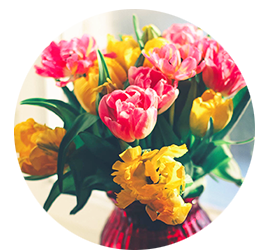
- Double Late (Peony Tulips): Resembling delicate peonies, these tulips feature layers of petals for a lush look.
- Triumph Tulips: Boasting strong stems and an extensive color range, ideal for arrangements and bouquets.
- Parrot Tulips: Exotic fringed petals with vibrant, feathered edges make these show-stoppers in spring gardens.
- Fringed Tulips: Their delicate, lacy petal edges create an eye-catching display.
- Species Tulips: Wild tulips, often smaller and charmingly delicate, ideal for rock gardens and naturalized plantings.
From fiery reds to pastel pinks and sunny yellows, tulips dazzle in almost every color except blue. Their spectrum makes them a beloved choice for gardeners and florists worldwide.
4. Tulips Hold Powerful Symbolic Meanings Globally
Beyond their sheer loveliness, tulips convey potent symbolism in cultures across the globe. The meanings associated with tulips are as diverse and colorful as the flowers themselves.
What Do Tulips Symbolize?
- Love and Passion: Red tulips are emblematic of deep romantic love, much like red roses.
- Forgiveness: White tulips are associated with purity and apologies, a classic choice in bouquets seeking forgiveness.
- Cheerfulness and Sunshine: Yellow tulips radiate happiness and positive energy.
- Royalty and Luxury: In Ottoman times, tulips represented wealth, status, and the perfection of nature itself.
- Renewal and Hope: Because they are among the first flowers to bloom in spring, tulips are a symbol of rebirth and fresh beginnings.
The extraordinary world of tulips is steeped in symbolism, making them a favorite subject in poetry, art, and design.
5. Tulips Play a Vital Role in Global Horticulture and Economy
Tulips are not just objects of beauty--they are a driving economic force and a key aspect of sustainable horticulture. Today, the Netherlands leads the world in tulip production and export, but tulip farming is an important sector in countries like Turkey, Iran, and the United States as well.
Economic Impact of Tulips
- The Dutch export over 2 billion tulip bulbs annually, distributing them across more than 100 countries worldwide.
- The Keukenhof Gardens in Lisse, Netherlands, attract over a million visitors each year during tulip season, cementing the flower's role in tourism.
- Tulip festivals, from Canada to Japan, draw crowds and boost local economies through commerce and cultural exchange.
- In flower auctions, sought-after tulip varieties can fetch significant prices, supporting a vibrant market for bulb collectors and growers.
Whether gracing a flower market or fueling international trade, tulips continue to inspire both economic vitality and cross-cultural connections.
6. Tulips Require Careful Cultivation--But Are Surprisingly Resilient
Many gardeners are surprised to learn that tulips, for all their elegance and sophistication, are remarkably hardy plants. Still, successful tulip cultivation hinges on providing the right conditions.
Best Practices for Growing Tulips
- Choosing the Right Bulbs: Opt for healthy, firm bulbs free of soft spots or mold to ensure strong blooms.
- Timing: Plant tulip bulbs in the fall, several weeks before the ground freezes, so they can establish roots before winter.
- Soil and Drainage: Tulips thrive in well-drained soil with moderate fertility. Excess moisture can cause bulbs to rot.
- Sunlight: Tulips need lots of sunlight for robust flowering; select a spot that receives at least 6 hours of direct light daily.
- Aftercare: Let the foliage die back naturally after blooming. This ensures the bulbs replenish stored energy for next spring's show.
- Longevity: While some species tulips return reliably each year, many hybrids are best treated as annuals unless ideal conditions are maintained.
With a little attention, tulips reward gardeners with a reliably stunning burst of color--season after season.
7. Tulips Continue to Inspire Art, Culture, and Innovation
Across the centuries, tulips have been beloved muses in paintings, literature, music, and modern design. Their influence extends beyond gardens and markets into the realm of creativity and innovation.
The Lasting Legacy of Tulips in Art and Society
- Classic masterpieces: 17th-century Dutch painters such as Rachel Ruysch and Jan Brueghel immortalized tulips in dazzling still lifes that remain celebrated to this day.
- Modern design: Tulip motifs continue to feature in fabric patterns, wallpapers, and iconic furniture like the Eero Saarinen Tulip Chair.
- Festivals and parades: Global events, such as the Skagit Valley Tulip Festival (USA) and Istanbul Tulip Festival (Turkey), honor the tulip and showcase new cultivars each year.
- Research and science: Botanists continually study tulip genetics, breeding techniques, and disease resistance to expand possibilities for gardeners and florists worldwide.
Tulips serve as living proof that the intersection of nature and human culture can yield not just beauty, but also inspiration for innovation and progress.
Bonus Fact: Tulips Have Edible Uses (But With Caution!)
You may be surprised to learn that tulips have occasionally found their way onto the plate. During World War II, particularly in the hunger winters of 1944-1945 in the Netherlands, people resorted to eating tulip bulbs to survive food shortages. Although not generally recommended due to possible toxicity and bitter taste, tulip petals can be edible in small quantities, provided they are grown without chemicals or pesticides. Some creative chefs even use tulip petals as colorful garnishes in salads and desserts.
Always consult reputable sources before consuming any part of the tulip!
Conclusion: Revel in the Splendor of Tulips
The extraordinary world of tulips is intertwined with adventure, history, science, and artistry. From their nomadic beginnings in Central Asia to their sublime status in today's gardens, tulips captivate our senses and fuel our imaginations. Their robust diversity, global symbolism, economic impact, and enduring beauty urge us all to look closer and appreciate their singular story.
Whether you're planning your next garden, seeking the perfect bouquet, or simply yearning to understand more about plants, let these seven (and a bonus!) facts kindle your appreciation for what may just be the world's most extraordinary flower--the tulip. Next spring, when you see a field of tulips swaying in the breeze, you'll know you're in the presence of natural wonder and rich history. Unveil the extraordinary world of tulips--its timeless charm awaits you!
Frequently Asked Questions About Tulips
- When should I plant tulip bulbs?
Plant in the fall, about 6-8 weeks before the first hard frost is expected in your area. - Are tulip bulbs poisonous?
Yes, tulip bulbs are mildly toxic if ingested in large quantities and may cause skin irritation--keep away from pets and small children. - How long do tulip flowers last?
Typically, tulip blooms last from 1 to 2 weeks in the garden, depending on weather conditions. - How many varieties of tulips are there?
There are over 3,000 registered varieties, with more hybridized each year!
Let the magnificence of tulips bloom in your knowledge and garden this season!