Peony Flowers: Unlocking Their Symbolic Secrets
Posted on 24/08/2025
Peony Flowers: Unlocking Their Symbolic Secrets
Peony flowers have enchanted humans for centuries. Admired for their lush beauty, revered in artwork, and cherished in weddings, peonies are far more than just pretty blooms. Their legacy is steeped in history, culture, and deep symbolic meaning. In this comprehensive guide, we reveal the symbolic secrets of peony flowers, exploring their fascinating roles across cultures, spiritual importance, and practical uses today.
What Are Peony Flowers?
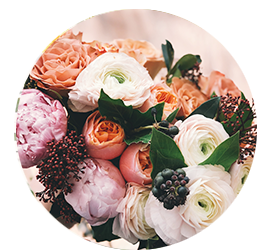
The peony flower (Paeonia) is a perennial plant adorned with large, rounded blooms in shades ranging from soft pinks and whites to bold reds and yellows. With rich green foliage and a strong, sweet fragrance, peonies have become icons in gardens and bridal bouquets worldwide.
- Scientific Name: Paeonia
- Family: Paeoniaceae
- Origin: Native to Asia, Europe, and Western North America
- Blooming Season: Late spring to early summer
Their luxurious petals evoke femininity, prosperity, and romance, but there's so much more behind the beauty of peony flowers.
The History of Peonies: From Ancient Roots to Modern Love
The history of peonies traces back thousands of years. Early records show peonies cultivated in Chinese imperial gardens and used in ancient remedies. The origins of their symbolic power began here, creating a ripple through the centuries.
Peonies in Ancient China
In China, the peony earned the title "the King of Flowers." Cultivated as early as 1000 BC, its opulent blooms became symbols of wealth, honor, and good fortune. Emperors prized peonies so highly that they became subjects for classical paintings and poetry.
- Imperial association: Peonies decorated royal palaces and featured in imperial ceremonies.
- Medicinal uses: Early Chinese medicine used peony roots for treating ailments.
Peonies in Europe
By the Middle Ages, peonies arrived in Europe, where they became symbols of healing and protection. They appeared in monastery gardens, and the seeds were thought to avert evil spirits and bring good luck.
The Peony's Place Today
Today, the peony flower is beloved the world over--featured in modern gardens, wedding celebrations, and artistic creations, while its symbolic meaning remains as rich and powerful as ever.
Unlocking the Symbolic Secrets of Peony Flowers
The symbolic secrets of peony flowers are woven deeply with emotional, spiritual, and cultural threads. Flexible yet profound, their meaning varies depending on color, culture, and occasion.
Peony Symbols Across Cultures
- Chinese Symbolism: Wealth, power, honor, and beauty.
- Japanese Symbolism: Bravery, good fortune, and marriage.
- Western Symbolism: Romance, prosperity, and healing.
Universal Meanings of the Peony:
- Honor and Respect: The flower's regal stature signifies dignity and high social status.
- Romance and Love: Lush petals represent affectionate relationships and joyous unions.
- Prosperity and Luck: Peonies are popular gifts for wishing success and abundance.
- Beauty and Femininity: The soft, bold blooms personify feminine grace and power.
- Compassion and Healing: Long associated with medical uses, embodying comfort and care.
The Colors of Peony Flowers and Their Meanings
The symbolism of peony flowers can shift dramatically with their color. Each peony color carries its own special meaning, making them a thoughtful choice for any occasion.
Pink Peonies
Pink peonies, the most popular variety, are iconic in wedding bouquets and romantic arrangements. They symbolize love, grace, good fortune, and happy marriage. A pink peony conveys feelings of affection and admiration--perfect for expressing your heart.
White Peonies
White peonies represent purity, innocence, and a fresh start. They are often used in weddings and as sympathy flowers, embodying remembrance and honesty. Gifting white peonies is a gesture of respect and sincerity.
Red Peonies
Red peonies signify passion, honor, and prosperity. In Chinese culture, they are associated with wealth and are given to wish abundance and rank. A red peony's bold statement makes it ideal for festive or important celebrations.
Yellow and Coral Peonies
Yellow and coral peonies exude happiness, new beginnings, and positive energy. These hues are uplifting and bright, making them favorites for celebrating milestones, births, or graduation days.
Purple Peonies
Purple peonies represent mystery, uniqueness, and royalty. Less commonly found, they make a statement with their depth and beauty, oftentimes chosen for unique personal or spiritual ceremonies.
Peonies in Spiritual and Literary Symbolism
Throughout history, peony flowers have featured in myths, spiritual teachings, and literary works. Their multifaceted meanings have inspired poets, artists, and philosophers alike.
Spiritual Meanings of Peony Flowers
- Healing and Well-being: In alternative healing practices, peonies are believed to promote wellness and emotional healing.
- Protection: Eastern folklore attributes peony flowers with spiritual protection against negativity.
- Flourishing and Enlightenment: Peonies are symbols of spiritual blossoming and inner growth.
Peonies in Mythology and Literature
Ancient myths personify the peony flower as a symbol of transformation. According to Greek legend, the peony is named after Paeon, a student of Asclepius, who was turned into the flower by gods to save him from his master's jealousy. This story imbues the peony with themes of healing and deliverance.
In literature, peonies often symbolize hope, renewal, and the beauty of fleeting moments, capturing the ephemeral nature of their short bloom.
The Peony Flower in Art and Culture
Peonies have appeared in the greatest works of art, from ancient Chinese brush paintings to modern impressionism. Artists have been captivated by their enigmatic charm, using the peony to represent:
- Opulence and status: Decorative motifs in royal palaces and temples.
- Romantic ideals: Floral centerpieces for love stories and wedding scenes.
- Transience: Reminders of beauty's impermanence, a recurring theme in Eastern art.
Peony Festivals
Celebrations like the Luoyang Peony Festival in China and the Peony, Art, & Flower Festival in the United States showcase the lasting cultural impact of these blooms. Such festivals unite communities in appreciation of the peony's significance and beauty.
Peonies in Weddings: Symbolism and Tradition
Peony flowers play a starring role in weddings around the world. Brides choose peonies for their lush, romantic appearance and auspicious symbolism. Here's why peonies are a favorite choice for nuptial celebrations:
- Symbol of love and a happy marriage: Pink peonies, in particular, are believed to bless the union.
- Abundance and prosperity: Their full blooms suggest a rich, flourishing life together.
- Elegance and luxury: Peonies elevate decor, from bridal bouquets to table arrangements.
Including peonies in a wedding is thought to attract good luck and create an atmosphere of romance and happiness.
Planting and Caring for Peony Flowers
If you want to cultivate your own symbolic peony garden, here are some tips for growing and caring for peony flowers:
- Plant in well-draining soil with full to partial sunlight.
- Space roots 3-4 feet apart for healthy air circulation.
- Water deeply, but allow soil to dry between waterings to prevent rot.
- Mulch in winter to protect peonies from harsh cold.
- Provide support for heavy blooms to avoid breakage.
With proper care, peonies bloom beautifully for decades, ensuring they remain a treasured part of your home garden and personal symbolism.
Fascinating Peony Facts
- The peony is the traditional floral symbol of China and the state flower of Indiana, USA.
- Peonies are often given in the 12th wedding anniversary as a token of honor and love.
- Some peony plants can live for over 100 years, passing their beauty and meaning down generations.
Frequently Asked Questions About Peony Flowers
What makes the peony flower so special?
Peonies are special for their luxurious blooms, sweet scent, and profound symbolism representing honor, romance, prosperity, and protection across many cultures.
Are peonies only grown in certain countries?
While native to Asia, Europe, and North America, today peonies are cultivated all over the world thanks to their popularity and adaptability.
How long do peony flowers typically last?
Cut peony flowers last 5 to 10 days in a vase. On the plant, blooms last for about 7-10 days per stem, but the overall plant will flower for several weeks.
Can peonies be used for spiritual or healing purposes?
Yes. Historically and today, peonies are valued for their healing energy and spiritual symbolism, used in both alternative therapies and spiritual ceremonies.
Conclusion: The Enduring Symbolism of Peony Flowers
Few flowers rival the symbolic secrets of peony flowers. Across centuries, continents, and traditions, the peony's meanings of love, honor, prosperity, and spiritual protection have blossomed in the human imagination.
Whether in your garden, your wedding bouquet, or a cherished artwork, let peonies remind you of the beauty and richness of life, the importance of honor and compassion, and the joys of abundance and new beginnings. A single peony flower carries within its petals the wisdom of ages--waiting to unlock its symbolic secrets for you.
If you'd like to experience the magic and symbolism of peonies in your own life, visit your local nursery, attend a peony festival, or simply surprise a loved one with these beautiful blooms. Let the peony flower continue to inspire and enchant, as it has for generations.
Latest Posts
Nurturing Cut Flowers: Steps for Freshness
Peony Flowers: Unlocking Their Symbolic Secrets
How to Preserve Your Poinsettias' Festive Charm